
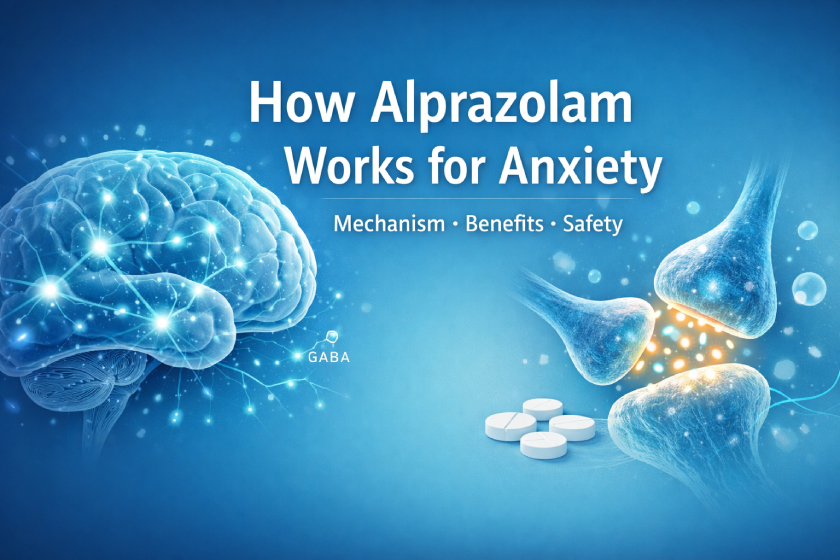
Anxiety disorders are among the most common mental health conditions worldwide. When anxiety becomes severe or persistent, medications such as alprazolam may be prescribed as part of a comprehensive treatment plan.
This article explains what anxiety is, how alprazolam works, its benefits, risks, and important safety considerations.
What Is Alprazolam?
Alprazolam is a prescription medication that belongs to the benzodiazepine class of drugs. It is commonly prescribed for:
- Generalized Anxiety Disorder (GAD)
- Panic Disorder
- Anxiety associated with depression
Alprazolam is available under brand names such as Xanax, Niravam, and Alprax. It works by calming the central nervous system and reducing excessive anxiety.
Due to the risk of dependence, it is generally recommended for short-term use under medical supervision.
What Is Anxiety?
Anxiety is a natural emotional response characterized by feelings of worry, fear, or nervousness. While it can be helpful in stressful situations, anxiety becomes a disorder when it is excessive, persistent, and interferes with daily life.
Common Types of Anxiety Disorders
- Generalized Anxiety Disorder (GAD)
- Panic Disorder
- Social Anxiety Disorder
- Specific Phobias
- Post-Traumatic Stress Disorder (PTSD)
Common Symptoms of Anxiety
Physical symptoms include:
- Rapid heartbeat
- Shortness of breath
- Sweating or trembling
- Muscle tension
- Sleep difficulties
Emotional symptoms include:
- Excessive worry
- Irritability
- Fear or dread
- Difficulty concentrating
- Feeling of impending doom
Anxiety disorders may develop due to a combination of genetic factors, brain chemistry imbalances, trauma, chronic stress, or underlying medical conditions.
How Alprazolam Works for Anxiety
Alprazolam works by enhancing the activity of gamma-aminobutyric acid (GABA), a neurotransmitter responsible for reducing excessive brain activity.
Role of GABA in the Brain
GABA is an inhibitory neurotransmitter that helps regulate emotional responses and calm the nervous system. Low GABA activity is often linked to heightened anxiety and panic symptoms.
Mechanism of Action
Alprazolam binds to specific sites on GABA-A receptors, increasing GABA’s ability to suppress neuronal overactivity.
This results in a calming effect that helps reduce anxiety and panic symptoms.
How Quickly Does Alprazolam Work?
Alprazolam is rapidly absorbed after oral administration:
- Onset of effects: 20–30 minutes
- Peak concentration: 1–2 hours
- Duration of action: Several hours
Because of its fast onset, alprazolam is particularly useful for managing acute anxiety episodes and panic attacks.
Benefits of Alprazolam for Anxiety
- Reduces excessive worry and fear
- Decreases panic attack severity
- Improves short-term anxiety-related insomnia
- Relaxes muscle tension caused by anxiety
Risks, Side Effects, and Safety Considerations
Common Side Effects
- Drowsiness
- Dizziness
- Impaired coordination
- Memory problems
- Fatigue
Serious Risks
- Physical dependence
- Tolerance development
- Withdrawal symptoms if stopped suddenly
- Increased risk when combined with alcohol or opioids
Alprazolam is a controlled substance and should only be taken as prescribed by a qualified healthcare professional.
Alternative Treatments for Anxiety
Long-term anxiety management often involves a combination of:
- Cognitive Behavioral Therapy (CBT)
- Antidepressant medications (SSRIs or SNRIs)
- Stress-management techniques
- Regular exercise and proper sleep
- Mindfulness and relaxation practices
Conclusion
Alprazolam is effective for short-term anxiety relief by enhancing GABA activity and calming excessive neural stimulation. However, due to the risk of dependence and withdrawal, it should always be used cautiously and under medical supervision.
Things to Remember
- Alprazolam works by increasing GABA’s calming effects
- It provides fast relief for acute anxiety
- Long-term use can lead to dependence
- Never stop alprazolam abruptly
- Always follow your healthcare provider’s instructions